Save 25% On Your First Autoship Order
Day
:
:
Online since 2002 | +1 833-522-3062
Save 25% On Your First Autoship Order

Let's be honest, managing tube feeding at home is harder than most discharge instructions make it sound. Between setting the right flow rate, keeping tubes clear, figuring out what's covered by insurance, and deciding which pump is actually worth buying, there's a lot to sort through. This home feeding guide from HPFY is designed to answer the questions that caregivers and patients often ask such as the difference between enteral feeding pump vs gravity bag, which brand to trust, and exactly what to do when things go sideways.
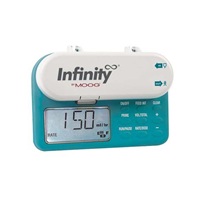
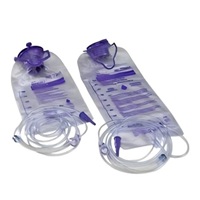
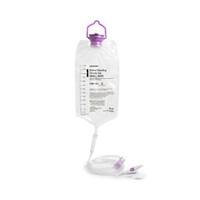
Both methods deliver liquid nutrition through a tube, but the control and consistency they offer are quite different. A gravity feeding bag uses elevation and a simple roller clamp to regulate flow. It's low-cost and portable, but the rate naturally fluctuates depending on how full the bag is, the viscosity of the formula, and how carefully the clamp is adjusted. A home enteral feeding pump, on the other hand, delivers formula at a precisely set rate, measured in mL per hour, regardless of those variables.
For patients who are clinically stable and tolerate feeds well, gravity works fine. But when precise rate control matters, say, for someone with delayed gastric emptying, a jejunostomy tube, or a history of aspiration, a pump isn't just more convenient. It's medically necessary.
The Kangaroo ePump by Cardinal Health is probably the most widely recognized name in home enteral feeding. It's available through most DME suppliers and is compatible with a broad range of formula containers. The Kangaroo ePump's advantage is widespread availability and AA battery compatibility, which matters if you're somewhere a charger isn't always accessible.
If you've just been sent home with a Kangaroo ePump and the discharge instructions feel incomplete, here's a practical walkthrough.
1. Prime the tubing- Fill your Kangaroo pump feeding bag with formula, close the clamp, and load the tubing into the pump door according to the directional arrows. Press PRIME and let the formula reach the end of the tubing before connecting to the patient's tube.
2. Set the flow rate- Press RATE and use the arrow buttons to enter your prescribed mL/hr rate. Your dietitian or physician will give you this number, don't guess it. Common home rates range from 60 to 125 mL/hr for continuous feeds.
3. Set the volume to be infused (VTBI) - This tells the pump when to stop and triggers the end-of-feed alarm. Set it to your prescribed total volume per feeding or per 24 hours, depending on your schedule.
4. Start the feed- Connect the tubing to the feeding tube, unclamp, and press START. The pump will display the running rate and elapsed volume.
5. Flush after feeding- Always flush with 30–60 mL of water after every feed. This is the single most important step for preventing tube clogs, more on that below.
The flow rate isn't something you should adjust without guidance, but understanding why your prescribed rate is what it is helps you manage feeds more confidently. Rates are based on your total daily caloric goal divided by the number of feeding hours. For example, if you need 1,500 mL per day and you're running feeds over 20 hours, your rate would be 75 mL/hr.
If you experience nausea, bloating, or cramping, don't just turn the pump off but call your dietitian. The fix is usually a rate reduction, a formula change, or adjusting the schedule rather than stopping altogether.
A clogged feeding tube is one of the most common and frustrating problems in home enteral care and in the vast majority of cases, it's preventable. The number one cause? Dried, residual formula inside the tube. Here's how to stay ahead of it.
If a clog does happen - Try warm water flushes with a 60 mL syringe using a back-and-forth (push-pull) motion. NOT forceful pressure, which can rupture the tube. Pancreatic enzyme solutions (dissolved in sodium bicarbonate) are a clinically supported method for dissolving stubborn clogs. If these fail, contact your home health provider. Forcing a clog can damage the tube.
One of the most confusing topics for home tube feeding patients is Medicare reimbursement for enteral supplies. Medicare Part B covers enteral nutrition under the Prosthetics/Orthotics benefit when it is the sole means of nutrition and a physician certifies medical necessity. Here are the key HCPCS codes to know.
| HCPCS Code | Item Description | Notes / Coverage Condition |
|---|---|---|
| B9002 | Enteral nutrition infusion pump, any type | Covered when patient receives ≥ 750 kcal/day via tube; pump must be medically necessary vs. gravity/syringe |
| B4035 | Enteral feeding supply kit - pump fed, per day | Includes tubing sets, connectors, and administration sets for pump-delivered feeds |
| B4036 | Enteral feeding supply kit - gravity fed, per day | Covers gravity drip bags and associated supplies; less restrictive than pump criteria |
| B4034 | Enteral feeding supply kit - syringe fed, per day | For bolus syringe feedings; most basic supply coverage tier |
| E0776 | IV pole / feeding pole | Covered when required for gravity or pump administration; must be separately documented |
| B4149–B4162 | Enteral formula codes (various) | Specific codes assigned by formula type (standard, blenderized, disease-specific); requires certificate of medical necessity (CMN) |
Important - Medicare requires a Certificate of Medical Necessity (CMN) for most enteral nutrition items. Your prescribing physician needs to complete this before your DME supplier can bill. Always ask your supplier to verify your specific plan's coverage. Some Medicare Advantage plans have different criteria.
At HealthProductsForYou, all of our enteral feeding supplies for home use, from Kangaroo pump sets to gravity drip bags, flush syringes, and extension tubing are clearly labeled with applicable HCPCS codes to streamline your reimbursement process.
Managing home tube feeding gets easier with the right equipment and the right knowledge. Whether you're choosing between a pump and gravity feeding, comparing the Kangaroo ePump to the EnteraLite, or trying to figure out what Medicare will actually cover, the goal is safe, comfortable, and reliable nutrition delivery. If you ever feel unsure, your home health dietitian is your best resource but we hope this guide gets you a few steps closer to confident.
Disclaimer: All content found on our website, including images, videos, infographics, and text were created solely for informational purposes. Our reviewed content should never be used for the purpose of diagnosis or treatment of any medical conditions. Content shared on our websites is not meant to be used as a substitute for advice from a certified medical professional. Reliance on the information provided on our website as a basis for patient treatment is solely at your own risk. We urge all our customers to always consult a physician or a certified medical professional before trying or using a new medical product.


Hunaid Germanwala, a seasoned digital marketer and content creator at HPFY since 2014, believes in the power of "health ...
How To Increase Iron Levels Quickly
It’s a question that must have puzzled you like many others. Iron is essential in hemoglobin production and its inadequate levels can negatively impact your health. Dive into this informative article to explore top iron-rich foods that can help you fight iron deficiency.
10 Best Coccyx Cushions for Tailbone Pain
If you're like most people, you spend about 8 to 10 hours sitting every day. However unhealthy, it is part of life for many, and can cause tailbone pain. Coccyx cushions can help alleviate this pain. Click to read more and find the perfect coccyx cushion for your tailbone pain.
5+ Best Adult Diapers for Fecal Incontinence
Dealing with fecal incontinence can be challenging, but you're not alone. Read this article and navigate through discreet and effective solutions that help you manage fecal incontinence and let you live life on your terms with confidence and comfort.
Top 5 Best Reviewed Nebulizers of 2024
Need an effective and affordable nebulizer? Look no further, in this article we offer 5 of our best reviewed nebulizers that are loved by our customers. Click to read more and find the perfect nebulizer for all your respiratory needs.
10 Best Penis Pumps For Erectile Dysfunction
For anyone dealing with erectile dysfunction, penis pumps serve as a great way to manage it. But with so many products available, determining the best one for your needs can be challenging. To assist you in refining your choices and making an informed decision, here are our top 10 options, recognized for their effectiveness and safety.