Save 25% On Your First Autoship Order
Day
:
:
Online since 2002 | +1 833-522-3062
Save 25% On Your First Autoship Order

Each wound is different and creating the proper environment is critical in expediting the healing process. Prepping your wound properly sets the foundation for every wound to heal and avoid potential infection. Fortunately, there are a wide variety of wound prep types that can be perfect for any type of wound care needs.The trick is finding the right wound prep that matches your type of wound. Also, finding the proper wound prep can make any wound care plan economical. There are so many different types of wound prep types available it might make your head spin. I can give you some insight into understanding wounds prep types and what might be their best application for you. Be sure to visit www.healthproductsforyou.com for all your wound care needs.
As you can imagine, the sooner you start a wound care plan the better. Infections can be dangerous and even life-threatening if left unattended. As you start preparing to prep your wound, removing any debris that might be in the wound bed and the application of an antiseptic is critical to avoiding any infection. Just like building a home, this is the foundation you need to effectively minimize the risk of infection and expedite the healing process. By understanding the physiology of wound healing and some wound care basics you can increase your chance of success. By using the acronym DIME, you can properly start your wound care process.
DIME stands for:
By evaluating your wound, it’s easier to find the proper wound care prep to match your type of wound since these four components address a wide range of pathophysiologic abnormalities of even chronic wounds.
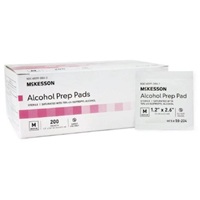
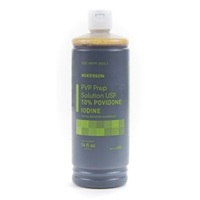
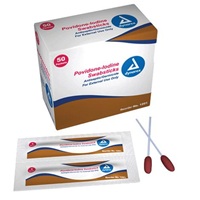
If you were to walk into a local drugstore or pharmacy you would see a long aisle of wound care products. Which one is right for you? With all the available options, some of the best may be:
Often, wounds will require a primary dressing used in conjunction with a secondary dressing such as gauze pads or bandages. The secondary dressing typically holds the primary dressing in place so there is no wound shearing and any wound prep benefit is maximized. The four basic types of wounds are:
If at any time during your wound care plan your wound becomes red or irritated you should contact your doctor or wound care specialist immediately. This could be a sign of an infection, as is a wound that is warm to the touch or exuding puss. Early intervention is always critical, don’t let an infection linger or fester!!
Disclaimer: All content found on our website, including images, videos, infographics, and text were created solely for informational purposes. Our reviewed content should never be used for the purpose of diagnosis or treatment of any medical conditions. Content shared on our websites is not meant to be used as a substitute for advice from a certified medical professional. Reliance on the information provided on our website as a basis for patient treatment is solely at your own risk. We urge all our customers to always consult a physician or a certified medical professional before trying or using a new medical product.

Kevin Cleary has been a Health Products For You contributor for many years and has a degree in marketing. His health and wellness journey has a very personal meaning and has guided him in his content writing for HPFY.
In 2006, ...
How To Increase Iron Levels Quickly
It’s a question that must have puzzled you like many others. Iron is essential in hemoglobin production and its inadequate levels can negatively impact your health. Dive into this informative article to explore top iron-rich foods that can help you fight iron deficiency.
10 Best Coccyx Cushions for Tailbone Pain
If you're like most people, you spend about 8 to 10 hours sitting every day. However unhealthy, it is part of life for many, and can cause tailbone pain. Coccyx cushions can help alleviate this pain. Click to read more and find the perfect coccyx cushion for your tailbone pain.
5+ Best Adult Diapers for Fecal Incontinence
Dealing with fecal incontinence can be challenging, but you're not alone. Read this article and navigate through discreet and effective solutions that help you manage fecal incontinence and let you live life on your terms with confidence and comfort.
Top 5 Best Reviewed Nebulizers of 2024
Need an effective and affordable nebulizer? Look no further, in this article we offer 5 of our best reviewed nebulizers that are loved by our customers. Click to read more and find the perfect nebulizer for all your respiratory needs.
10 Best Penis Pumps For Erectile Dysfunction
For anyone dealing with erectile dysfunction, penis pumps serve as a great way to manage it. But with so many products available, determining the best one for your needs can be challenging. To assist you in refining your choices and making an informed decision, here are our top 10 options, recognized for their effectiveness and safety.