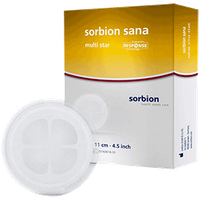
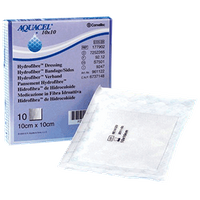
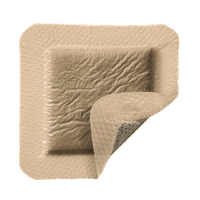
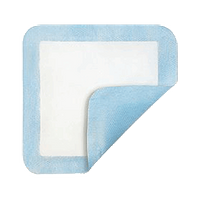
What is Wound Dressing?
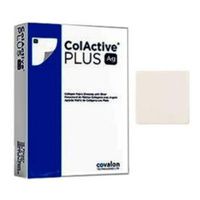
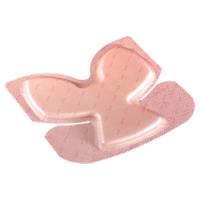
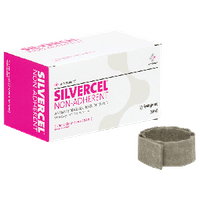
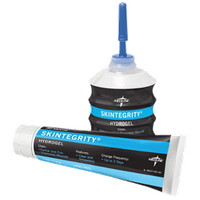
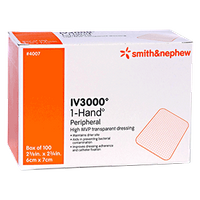
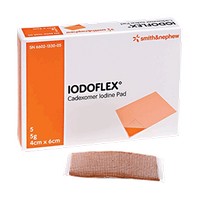
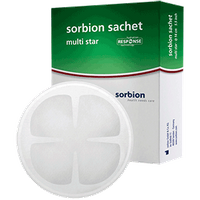
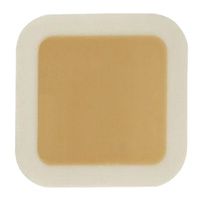
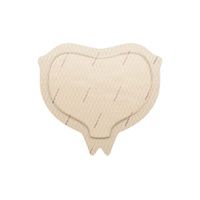
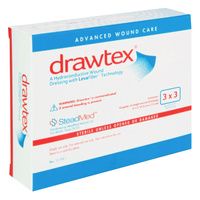
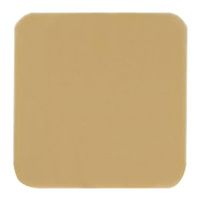
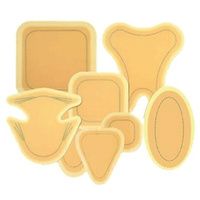
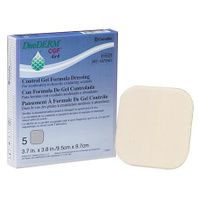
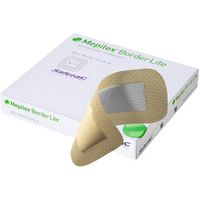
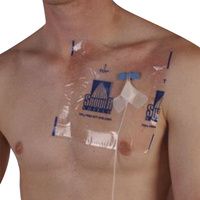
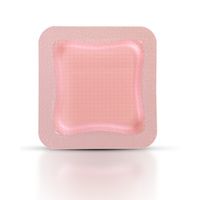
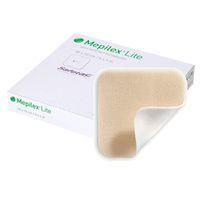
A wound that just won’t heal? Looking for the right wound dressing? We’ll help you find it. Wound care dressings play a key role in the healing of wounds and are vital for wound care. Choosing the right wound care product is important for quick recovery because it comes into direct contact with the wound, unlike a bandage. It protects the wound from infection, absorbs exudate, and creates the right environment for healing. Manage chronic and difficult-to-heal wounds with different types of wound dressing supplies like silver dressings, collagen dressings, hydrogel dressings, alginate dressings, foam wound dressings, and many more. Also available are silicone and honey dressings as well as topical and composite dressings from top manufacturers like Medline, Smith & Nephew, Convatec, 3M, and more.
How to Choose the Right Wound Care Dressings?
There are multiple choices in wound dressings. Know your wound type because each dressing is designed to tackle specific conditions. Picking the right wound dressing will ensure the recovery is fast.
By Exudate Type
-
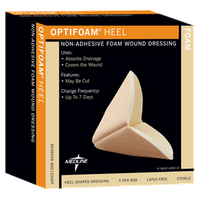
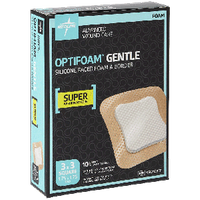
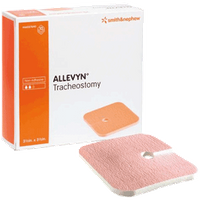
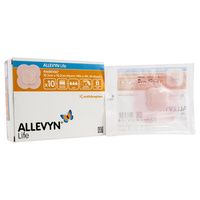
Heavy Exudate Wound - For a wound with heavy exudate, the wound care bandages needed are one that not only absorbs the excess drainage but also keeps the wound moist. Excess moisture does not promote healing; however, some amount is needed to help it. So, the key here is getting the right level of moisture. For heavy exudate, absorbent dressings are required. These may be used as primary or secondary dressings and are designed to have minimum adherence to the wound bed. They do not allow infection to set in because the bacteria are trapped inside the dressing, cellular debris, and excess exudate. Absorbent dressings promote healing through natural debridement and new skin growth. Foam dressings (like Allevyn Dressing, Allevyn Life Foam Dressing) are also effective in handling heavy exudates. The foam absorbs the exudate, and honey is released to ensure the right level of moisture in the wound bed for fast healing. Hollister, Medline, and Covidien are top manufacturers of foam dressings.
-
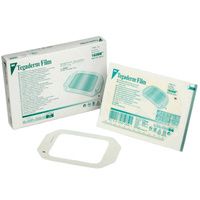
Moderate-to-Heavy Exudate Wound - Wounds with moderate-to-heavy exudate can be treated with alginate dressings made with natural alginate fibers from seaweed. They are flat or rope dressings and ideal for pressure ulcers, venous ulcers, diabetic foot ulcers, burns, cavity wounds, and wounds associated with diabetes. Initially dry, but once placed on a wound, these dressings absorb the exudate and become gel-like. Tegaderm alginate dressings, Maxorb alginate dressings, Biatain Alginate Wound Dressings, Hydrofera Blue Dressing, ConvaTec Aquacel Ag Dressing, Derma Algicell Ag Calcium Alginate Dressings, Tegaderm Film Transparent Dressings, molnlycke dressing are popular buys.
-
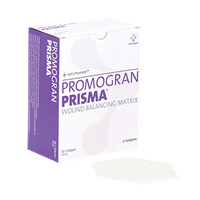
Light Exudate Wound - Wounds with light drainage can be treated with hydrocolloid dressings. Dry-to-minimally draining ulcers and open surgical wounds need hydrogel dressings. Example - DermaGran B Hydrophilic Dressing
By Wound Type
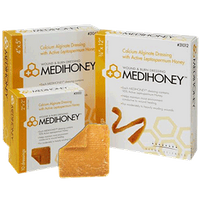
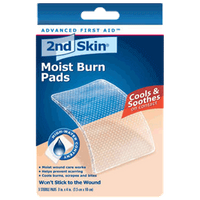
- Burns - Dressings for burns will depend on the severity of the wound. A first-degree or superficial burn can be treated with Medihoney paste or gel. In contrast, for second-degree burns, there are antimicrobial dressings, silver dressings, non-adherent dressings, as well as hydrogel dressings. Hydrocolloid bandages can be used for burns that have light-to-moderate exudate. A collagen dressing can also be used for second-degree or higher burns. This type stimulates new tissue growth, allowing necrotic wounds and skin grafts to heal.
- Infected Wounds - Infected wounds can be treated with hydrogel dressings. This type is non-adhesive to the wound and has a high moisture content, thus preventing bacteria and oxygen from reaching the affected area. Transplant sites, surgical wounds, and wounds with large surface areas need collagen dressings. Collagen speeds up recovery because new collagen formation at the wound site stimulates new tissue growth.
Wound Care Dressings for Pressure Ulcers
Bedsores or pressure ulcers occur because of continuous pressure on the skin. This leads to sores, especially in the bony areas of the body, like the heel, ankle, tailbone, and hips.
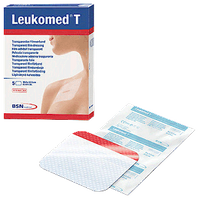
- Stage 1 pressure ulcers are not open wounds. At this stage, transparent film dressings and hydrocolloid dressings will be effective. These are breathable, thin and allow moisture vapor and oxygen exchange.
- For stage 2 pressure ulcers, hydrocolloid dressing is found effective. It reacts with the exudate to form a gel-like covering. Hydrogel dressing is also used for stage 2, being non-adhesive and soothing.
- For stages 3 and 4 of pressure ulcers, dressings recommended are hydrogel and hydrocolloid.
- Venous leg ulcers are treated with Unna Boot dressings which promote quick healing. Their non-hardening zinc oxide paste formulation eases irritation and keeps the area moist.
- Venous ulcers and pressure ulcers in stage III or IV will find relief from alginate dressings too.
- Diabetic or neuropathic ulcers with minimal drainage can be treated with medihoney gel or hydrogel wound dressings. Heavy drainage means calcium alginate or hydrofiber dressings.
FAQs:
1. How to clean a wound?
Follow these steps to clean your wound:
- Pick a new set of non-sterile gloves.
- Use a neat, soft washcloth to clean your wound with a wound cleanser. The wound should not bleed much when you are cleaning it. A small amount of blood is ok.
- Wash your wound with water. Smoothly pat it dry with a neat towel. Please do not scrub it dry. In some cases, you can even clean the wound while showering.
- Examine the wound for increased swelling, redness, or a bad odor.
- Keep an eye on the amount and color of drainage from your injury.
- After cleaning your wound, discard your gloves and old dressing.
- Wash your hands again.
2. When should we consult the Doctor?
- It is larger or deeper.
- It looks dried out or dark.
- The drainage is increasing.
- Worsening redness
- More pain
- Swelling
- Bleeding
- The drainage has a bad smell
- It looks dried out or dark.
Where to Buy Wound Dressings Online?
Health Products For You offers a wide array of superior-quality wound dressings that keep wounds free from infection and promote quick healing. These products are from our esteemed vendors like Medline Industries, Smith & Nephew, McKesson, and many more.
Other Useful Links:
FAQ's
Frequently asked questions
Getting your wound wet is a matter of concern when you have exposed bones, staples, or stitches. If you have been told to keep it dry by your doctor, it is advisable to cover your wound when taking a shower. You can use a plastic bag to keep the
wound dry while you shower.
In many cases a change is usually harmless and can be ignored. But, if there is redness on your skin then you should be concerned. You should keep an eye on this change and check it daily. A handy way to monitor changes is to mark the edges so you can tell if it’s growing or shrinking. Redness might require you to pay a visit to your doctor, so at the very least you should call and consult them on any
skin color changes.
Blood sugar must be kept low when a wound is healing. Elevated
blood sugar levels can slow or completely prevent the healing process. Your doctor can help you keep this in check.
Keeping a wound covered helps it heal faster. That is why a doctor covers a wound with a
wound dressing. The dressing supplies the right balance of moisture required for healing and enables the beneficial bacteria to function and thus, prevents infection. The healing cells are also able to cover the wound with new smooth tissue faster.
Covering a wound also reduces the chance of scarring. It helps prevent scabbing, as well as protects the wound from the sun. The earlier belief was to let a wound be exposed to the air and allow a scab to form. But the scab can slow the healing process. And on falling off, it leaves a visible mark.
Antimicrobial refers to properties of an agent that has antibacterial, antifungal, and antiviral properties. Antibacterial refers to properties of an agent that destroys bacteria or suppresses their growth or their ability to reproduce. Both of these properties are important when caring for a wound.
An antiseptic solution helps clean wounds, getting rid of germs and dirt. And an antibiotic is what provides protection to a wound from developing infections. It offers an optimal wound healing environment.
Wound exudates are absorbed by
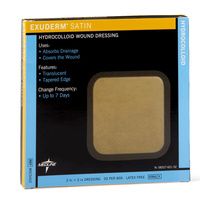
hydrocolloid dressing and turned into a gel. In some cases the cohesive gel stays within the dressing. But most of the times, the gel is less sticky and not retained within the dressing. When in the whole state, this dressing is watertight. But with the advancement of gelling, the dressing becomes porous and allows for the loss of water. This helps the dressing cope with the exudate being produced.
This dressing is easy to use and offers effective occlusion. It has a softening effect on dry wounds. User needs to change the dressing every 3 to 5 days. The hydrocolloid dressing is ideal for granulating, superficial wounds with low to medium exudate. And does not cause trauma on removal.
Some studies reveal that a hydrocolloid dressing is not suitable for medium-to-high exuding wounds and that it is more effective on low-to-medium wounds. Other studies say that this kind of dressing may even bring down the rate of exudation. How much fluid the dressing absorbs varies. Your doctor will certainly know if your wound benefits from a hydrocolloid wound dressing.
All burn injuries, except first degree burns, leave behind some kind of a
scar.
Changes in the skin leads to scar. For example, after a burn the skin loses part of its structure and this loss is replaced by scar tissue. All this - the thinness, the irregularity and the scar tissue - form the scar.
A soft
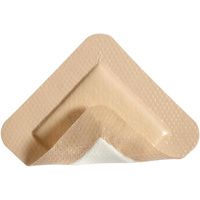
silicone dressing is a dressing coated with soft silicone as an adhesive or a wound contact layer. Soft silicone belongs to a specific family of solid silicones which are soft. These silicone wound dressings can be removed without trauma to the wound or surrounding skin.
Silicone is static so it does not interact chemically with the wound or effect the cells aiding in the healing process. The wound healing process is not disturbed when taking off the dressing since soft silicone dressings can be taken off easily and does not traumatize the wound or the surrounding skin.
Silicone is insoluble in wound exudate and the size of its molecules does not allow it to penetrate through cell membranes or pass through the skin into blood vessels. Therefore, soft silicone cannot enter the circulatory system. So, they cannot have any adverse effect on the system.
If your wound or ulcer is not infected, then you can use the compression pump on a venous ulcer or an open wound. Using the pump will help drain the wound significantly. Once you have treated it with the pump, clean and change the dressing promptly.
If the wound is superficial, meaning only the outer layer of skin is affected, a dry gauze bandage such as a
3M Nexcare Waterproof Bandage is a good choice. If the wound is deeper, a dressing that keeps the wound moist, such as
McKesson Hydrocolloid Thin Dressing is a better choice. If the wound is not healing, seek evaluation from your doctor.
Superficial wounds should be cleaned with soap and warm water (showering daily) or a no rinse cleanser like Hollister Restore Wound Cleanser. Just pat the area dry before applying the bandage. Larger or deeper wounds can be cleaned with a wound cleanser such as Microcyn Spray. Showering is acceptable as well, allowing soap and water to run down the wound. Pat the area dry prior to applying the dressing.
Wound healing varies depending on many factors. A superficial wound can heal within 1-2 weeks for a healthy person. With deeper wounds, heal time is increased because the wound needs new tissue to grow from the bottom up to the skin level. Proper nutrition is vital for healing. Consider increasing protein in your diet along with a multivitamin. If your appetite is not great, nutritional supplement may help. Consider Abbott Juven Therapeutic Nutrition Powder for the adequate nutrients needed for wound healing.
The body sends a plasma fluid to the area of injury to start the healing process. This fluid brings nutrients for healing and takes away waste. Some of the fluid will take the path of least resistance and drain out of the opening in the skin. Drainage that is yellow, pink, orange or brown is acceptable colors. It usually does not have an odor. If you note an odor, be sure you are cleaning the wound regularly. Call your doctor for evaluation if the color changes to green or is very bloody. Also, monitor for redness and warmth that spreads outward from the wound at the skin margins. Again, contact your doctor.
Superficial wounds often close with minimal scaring. Deeper wounds will leave a scar. Scar minimizing products are available for use once the skin closes. You can try
Amoena Silicone Scar Patches.
An acute wound is usually a surgically created wound or caused by trauma to the skin tissue. Wound healing follows a pattern for repairing the tissue. The end result is strong, healed and durable skin. In a chronic wound, the normal healing process is interrupted, causing a delay. Chronic wounds often occur due to decreased vascular flow, persistent inflammation or repeated trauma to the wound. A wound is considered chronic if healing does not occur in 3 months.
Surgically created wounds are generally sutured at the lower portion of the skin (dermis) and subcutaneous tissue layers. The epidermis (outer layer of the skin) may be closed with
sutures, staples or liquid band-aid. With this process, wound healing begins at the surface of the skin and continues downward to the subcutaneous layer. These wounds heal quickly with minimal scar formation.
Some wounds cannot be closed at the skin level. One reason is infection in the wound. These wounds are left open to heal from the bottom (subcutaneous tissue) up to the skin level. They take significantly longer to heal because they require rebuilding of tissue to fill the defect. When dressing open wounds, the defect should be filled with a
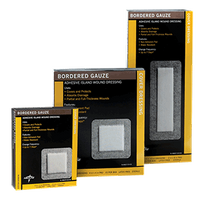
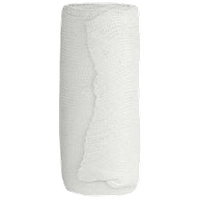
gauze dressing. Scarring is much more noticeable on wounds that heal by secondary intention.
Wounds may need to have a delay in closure due to infection or debris in the wound bed. Initially, the wound is left open for infection to drain. Once debris is the wound is cleared, the wound can then be closed by primary intention. Tertiary Wound intention scarring is less than wounds closed by secondary intention but not as fine as those closed by primary intention initially.
This is not recommended. Wounds need a moist environment to heal properly, but not too much moisture. Covering the wound with the appropriate dressing helps manage the moist environment by wicking away excess moisture and protecting the wound from exposure to environmental microbes.
This is not recommended. H2O2 can damage healthy skin. It is best to use a wound cleanser such as
Coloplast’s Sea-Clens Wound Cleanser. Its base is normal saline (salt-water) and is available in spray form to loosen debris from the wound bed.
- Monitor the wound daily, including the surrounding skin.
- Signs of infection include:
- Increased drainage
- Redness of the skin surrounding the wound
- Warmth of the skin surrounding the wound
- Increased pain at the wound site
- Elevated body temperature (fever)
- If diabetic, increased blood sugars
- If any of these signs occur, call you doctor for evaluation.
No. Exposure to the sun’s rays will dry the wound out. It will also tattoo the area causing a scar that will look darker that the skin. Normal scarring usually turns light but with sun exposure during the first year, it will remain more noticeable.
Pressure injuries (pressure ulcers)
Venous ulcers
Arterial ulcers
Diabetic Ulcers
Risk factors include diabetes, age, vascular insufficiency (poor blood flow), and immobility. Traumatic injuries can develop into chronic wounds as well as non-healing or delayed surgical wounds.
If a wound does not improve significantly in 4 weeks or has not completely healed in 8 weeks, it is considered a chronic, non-healing wound.
If you are concerned about a wound that may not be healing, seek out a wound care specialist as early as possible to maximize the chance of complete healing. Some things to look out for include:
• Wounds that have not made progress in one week (commonly experienced by people with diabetes)
• Sores accompanied by increasing pain, redness, swelling, foul odor, or change in color
• Surgical wounds that have become infected